
North American Crop Update
- Tuesday July 24, 2007
This analysis featured in the July 24, 2007 issue of the HGCA's MI Prospects, Volume 10, Issue 2
North American crop prospects are very favourable with a major shift in area to maize from soyabeans resulting in a better balance in prospects between commodities than existed earlier in the year.
US Crops
Wheat - While the development of the US wheat crop has been very eventful, it is now evident that the harvest, from an above average area with a slightly below average yields, will result in a typical, non-drought year, output. Whether recent price increases will be adequate to ration consumption, including overseas’ demand, is difficult to assess.
In autumn improved moisture conditions, particularly in the southern Great Plains, and improving prices encouraged farmers to increase winter wheat plantings by 11% from the previous years’ level. The crop came through the winter in excellent condition. However, a late frost in early April could have seriously dented output, had it not been for subsequent and continued good growing conditions. In the southern Great Plains this weather delayed harvest and created concerns about quality in some areas but this is not expected to be significant in the context of the total US crop.
The USDA’s July estimate placed the crop at 58.0Mt, 18% above 2006 output. Winter wheat production was 20% higher than a year ago with the larger area and lower drought abandonment of hard red winter wheat area than last year. For spring wheat there was a switch from other spring wheats to durum, with total area down more than 2%. Yield prospects are particularly favourable at this time with the USDA projecting increases of 8 and 47% in output for other spring and durum wheats, respectively .
Maize - As an exceptionally large maize crop is now in prospect, earlier worries that US domestic ethanol demand would limit export sales is likely to prove unwarranted. Concern that limits on fertilizer supplies and weather related delays in planting would restrain a needed increase in maize area have also proved to be unfounded. The USDA estimated that 37.6Mha were planted, 19% above 2006(Graph 1). An area this large was only exceeded during the Second World War.
continue continued
While the USDA’s first yield and production estimates are made in August, it is increasingly certain that yields will be at least average. Weekly crop condition reports for maize have consistently been above average (Graph 2). Crop ratings fell significantly in early July, but remain above year ago and average levels.
continue continued
The critical silking / pollination period for maize has almost passed without any widespread and extended periods of hot and dry weather that could adversely affect maize yields in aggregate. Even concerns about the ability of farmers to harvest such a large crop seem groundless after the very prompt manner in which the crop was planted after some weather related delays in the spring. The very large rise in area surely means that in some situations agronomic envelops for production has been stretched and yields may suffer.
Soyabeans - A much smaller soyabean area, resulting in much reduced output, may go a long way to balance supplies, which are currently well above immediate needs. The USDA estimated that 25.9Mha were planted to soyabeans, 17% below 2006 and the smallest area since 1995. While August is the critical month for soyabean development, the crop is currently reported to be in above average condition.
Market Implications - With a second successive year of relatively tight global wheat supplies and last year’s relatively poor US crop, US crop development has been under close scrutiny. In contrast to last year when overseas’ buyers did not seem to be in any hurry to buy US wheat, this year’s export pace has been brisk. Exports were sustained as prices rose in June, which can be seen as an indication for improved demand(Graph 3).
continue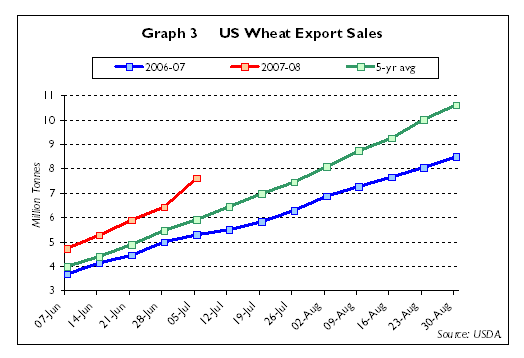 continued
The prospective 2007/08 US maize supply situation has changed very materially over the last six months with US supplies being raised by about 26Mt (up 8%) and forecast ending stocks having more than doubled. As a result new crop maize prices have fallen by as much as a third. However, the market remains sensitive to weather development and the reality that this grain will be needed to fulfill rising demand.
Soyabean markets are currently, and are likely to remain very volatile for the rest of the summer. The market has to resolve the reality of the current record inventory and the prospect of rapidly diminishing supplies. Markets will also be watching crop conditions particularly during pod filling in August.
Canadian Crops
Canadian farmers have generally adjusted sown areas in a similar fashion to their US counterparts, although biofuels are not of much significance to them, except perhaps in eastern Canada. Areas sown to feed grain are up, particularly for maize, which is grown mainly in eastern Canada in what is a northern extension of the US Corn Belt (Table 1). Western barley and oats are somewhat detached from the general North American maize market by location and specialty uses. Hence economic pressures to expand area are not as direct.
While Canadian farmers have reduced flaxseed and soyabeans sowings in line with US farmers, canola area has been increased by 17% to a record 5.9Mha. Two unique factors which may well prove to be ephemeral - brief European demand for Canadian canola oil for biodiesel and a drought in Australia which virtually eliminated the competition in traditional canola markets, have meant canola stocks have not cumulated in the same way as US soyabeans have. Like their American counterparts Canadian farmers have increased durum wheat sowings and have reduced other spring wheats. Much of Canada’s winter wheat is grown in competition with maize in eastern Canada where a 62% area cut offset a 60% increase in Western Canada.
The generally very favourable conditions for the US spring wheat crop extends over the border into the Canadian Prairies where crops have with very minor exceptions not been stressed for moisture and are therefore in good to excellent condition. Canadian prices are favourable despite the continued strength of the Canadian dollar with durum prices recently exceeding record levels of 1971.
David Walker 001 780 434 7615
top of page